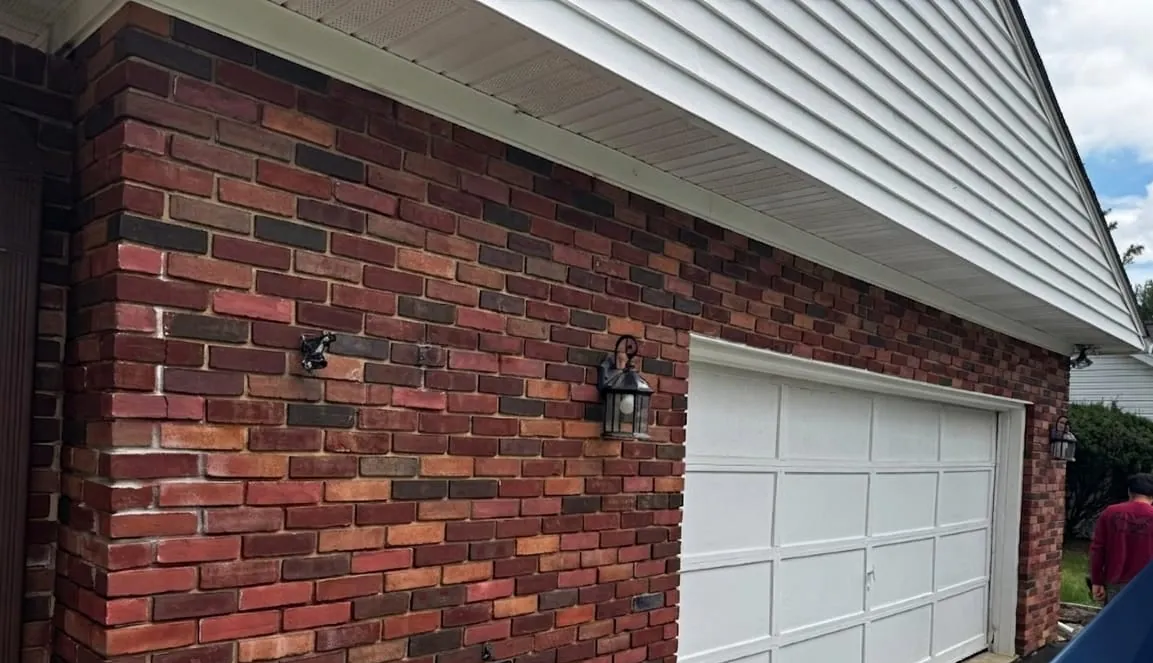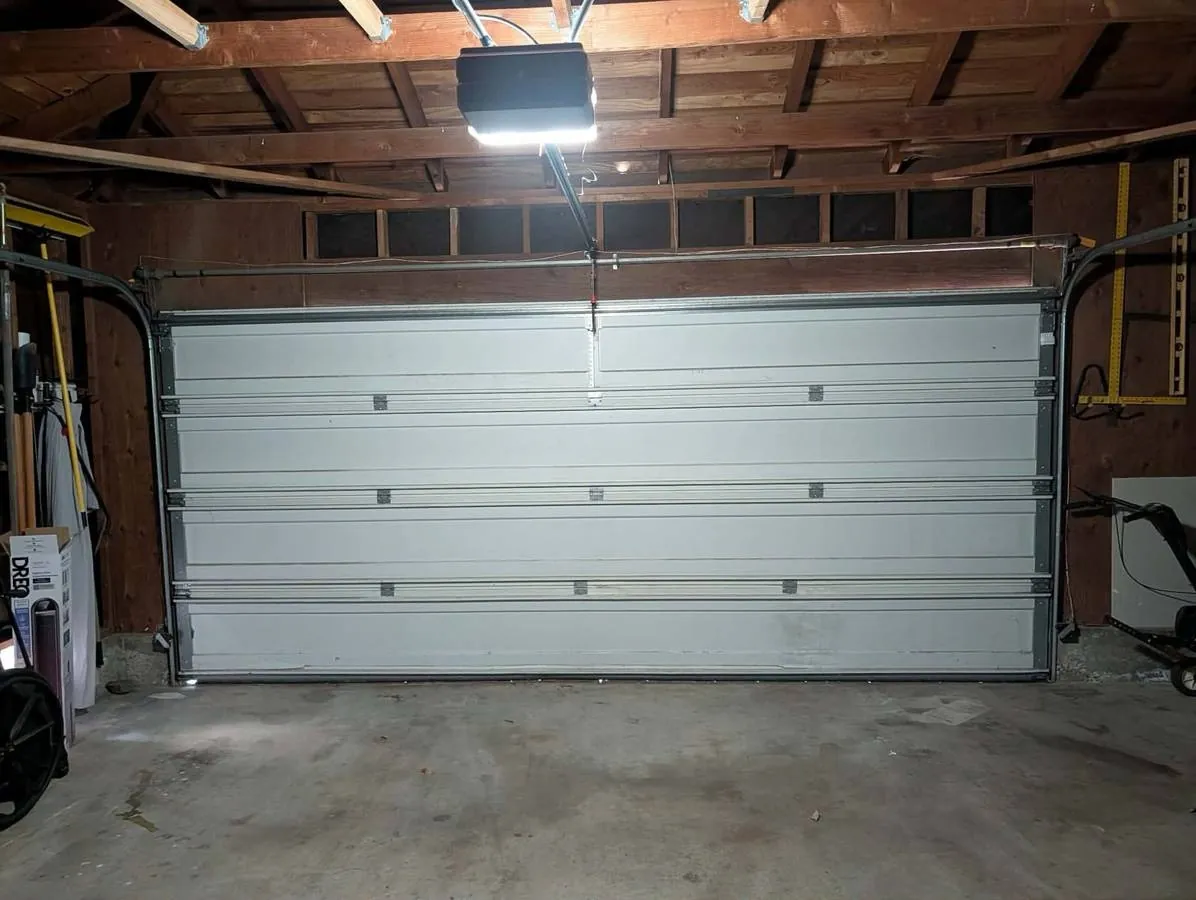
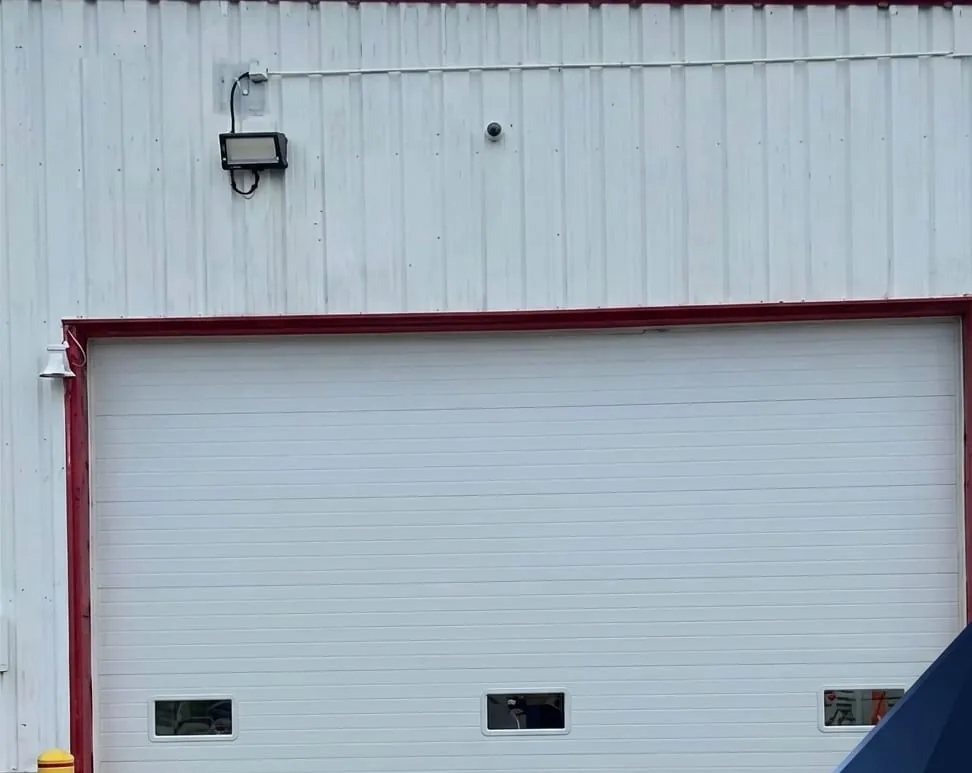
Ask a Florida building official which part of a house fails first in a hurricane and you will hear the same answer: the garage door. It is the largest opening in the structure — often 16 feet wide — and it faces the wind with a thin, flat surface. When a non-rated door blows in, the storm does not just get into the garage. Wind pressurizes the entire building from the inside, pushing up on the roof at exactly the moment suction is pulling from outside. Post-storm engineering studies after Hurricane Andrew traced a large share of roof failures to exactly this sequence. That is why Florida regulates garage doors more strictly than almost any other state, and why the rating on your door is worth understanding before storm season, not after.
What a wind-load rating actually means
A rated door is tested as a complete system — panels, tracks, rollers, hinges, struts and the jambs it mounts to — against design pressures expressed in pounds per square foot, written like +30/-30 PSF. The positive number is pressure pushing in; the negative number is suction pulling out, and the suction number is usually the one that matters on the leeward side of a storm. The rating your home needs depends on where you live: your wind zone, how close you are to the coast, the height and shape of the house, and whether the door sits on a corner or a protected wall. A door that is perfectly legal in Orlando may be far under-rated for a barrier-island home in Fort Myers Beach, which is why honest door companies ask for your address before they quote a number like a rating.
The HVHZ: Miami-Dade and Broward play by stricter rules
Miami-Dade and Broward counties make up Florida's High-Velocity Hurricane Zone, the strictest product-approval regime in American residential construction, born directly from Andrew's lessons in 1992. In the HVHZ, a garage door cannot simply claim a rating — the exact product must hold a Miami-Dade Notice of Acceptance, earned through large-missile impact testing (a 9-pound 2x4 fired at the door) and thousands of pressure cycles. If you live in Miami, Fort Lauderdale, Hialeah, Boca Raton or anywhere in those two counties, "hurricane door" means an approved product with paperwork, and your installer should be able to show you the approval document for the specific model going into your opening.
How to check the door you already have
Open the door halfway and look at the inside face of the panels and the edge of the bottom section. Rated doors carry a label listing the manufacturer, model, design pressures and the standard or approval number. Take a photo of it — that label is what an insurer, a buyer's inspector, or a wind-mitigation inspector will ask about. No label does not automatically mean no rating, but on doors installed before the modern Florida Building Code era (2002 and after), it usually does. A technician can verify during any service visit, and a wind-mitigation inspection will document the rating for insurance credit where your carrier offers it.
Replace, or brace what you have?
Replacement is not the only path. If your existing door's panels are structurally sound — no rust-through, no cracked sections, tracks in good shape — a bracing retrofit can add vertical reinforcement posts and heavier hardware that substantially raise its storm performance for a fraction of a new door. It will not earn a Miami-Dade approval number, and we will tell you plainly when a door is too tired to be worth bracing. But for a solid 10-year-old door in Jacksonville or Port St. Lucie, bracing is often the smart money. The wrong answer is the one too many Florida homeowners choose by default: doing nothing with a door that predates the code and hoping the cone of uncertainty keeps pointing somewhere else.
The storm-season checklist
Whatever door you have, walk this list every May: test the door's balance (it should stay put halfway up), look for rust starting at the bottom panel and the track feet, check that the weather seal still meets the floor all the way across, confirm the opener's battery backup works if you have one, and know where your emergency release cord is and how to use it — during an outage, that cord is your only way out of the garage. If anything on that list fails, fix it in May. In September, every door crew in Florida is doing emergency work, and the time to discover your door is not ready is not with a named storm three days out.
Door questions in Florida?
Talk to the crew: (855) 442-4167 — or find your city on the Florida page.